Trying to decide between Central Phoenix and the East Valley for your next move? You’re not alone. Many buyers weigh commute times, housing styles, walkability, and overall lifestyle before choosing. In this guide, you’ll see how daily life compares, with data-backed insights and plain-English takeaways to help you find your fit. Let’s dive in.
What each area includes
When locals say East Valley, they usually mean Tempe, Mesa, Chandler, Gilbert, and Queen Creek, plus nearby pockets. Central Phoenix refers to Downtown, Midtown, and Uptown, along with adjacent historic neighborhoods like Roosevelt Row, Encanto, and Coronado, and close-in areas such as Arcadia and Camelback-Biltmore. Exact boundaries are informal, so it helps to focus on specific neighborhoods as you narrow your search.
Commute and getting around
Typical commute times
City-level commute averages are fairly close across the region, but your real-world drive depends on the route and time of day. Recent American Community Survey estimates show:
- Phoenix: mean travel time to work about 25.6 minutes. Inner neighborhoods can be much shorter if you work downtown. Source: U.S. Census QuickFacts
- Tempe: roughly 20.9 minutes, among the shortest in the metro. Source: U.S. Census QuickFacts
- Chandler: about 23.9 minutes. Source: U.S. Census QuickFacts
- Mesa: about 24.7 minutes. Source: U.S. Census QuickFacts
- Gilbert: about 25.9 minutes. Source: U.S. Census QuickFacts
The bottom line: averages differ by only a few minutes. The bigger factor is your commute direction and whether you’re crossing east–west corridors at peak hours.
Freeways and recent improvements
Daily driving is shaped by I-10, US-60, Loop 101, and Loop 202. A major recent capacity upgrade, ADOT’s I-10 Broadway Curve project between Tempe and Phoenix, added new lanes and modernized key interchanges. This work is designed to reduce bottlenecks and improve reliability for East Valley to Central Phoenix trips. You can review project details on the ADOT Broadway Curve project page.
Transit and car-lite options
If you want to rely less on a car, Central Phoenix and downtown Tempe offer the best single-city options today. Valley Metro’s light rail runs through central corridors, and the Tempe Streetcar began revenue service in 2022, connecting ASU, Tempe Town Lake, and downtown Tempe with transfers to light rail. These projects continue to evolve and open up more transit-oriented living choices. Learn more from the Federal Transit Administration’s overview of the Tempe Streetcar project.
Most suburban East Valley neighborhoods remain car-oriented, although you will find walkable pockets around historic or revitalized downtowns.
Housing costs and home styles
Price anchors by city
City-level owner-occupied median values provide a helpful baseline for long-run comparisons. According to U.S. Census QuickFacts (2020–2024 5-year estimates):
- Phoenix: approximately $420,700. QuickFacts: Phoenix
- Tempe: approximately $455,400. QuickFacts: Tempe
- Mesa: approximately $408,000. QuickFacts: Mesa
- Chandler: approximately $507,800. QuickFacts: Chandler
- Gilbert: approximately $575,100. QuickFacts: Gilbert
Two quick notes:
- Median values vary by neighborhood and by home type. Premium enclaves and new construction can sit well above city medians.
- Sale prices move month to month. Use current MLS data for a live snapshot when you are ready to write an offer or list a home.
What you’ll find on the ground
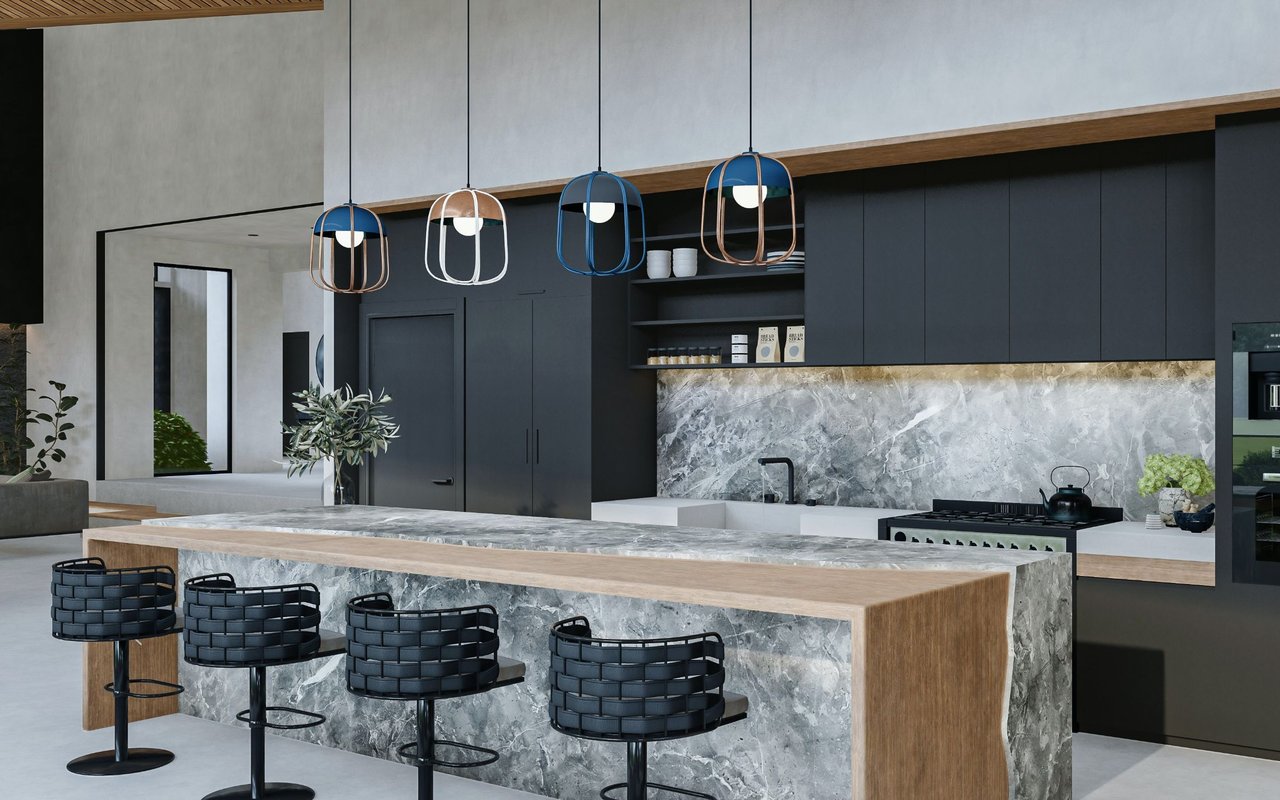
Central Phoenix: A wide mix within a short radius. You’ll see historic bungalows and craftsman homes in areas like Willo, Encanto, and Coronado, mid-century gems, infill modern builds, and urban condos or lofts near Downtown and Midtown. Many buyers choose these neighborhoods for character, proximity to arts and dining, and shorter in-town drives.
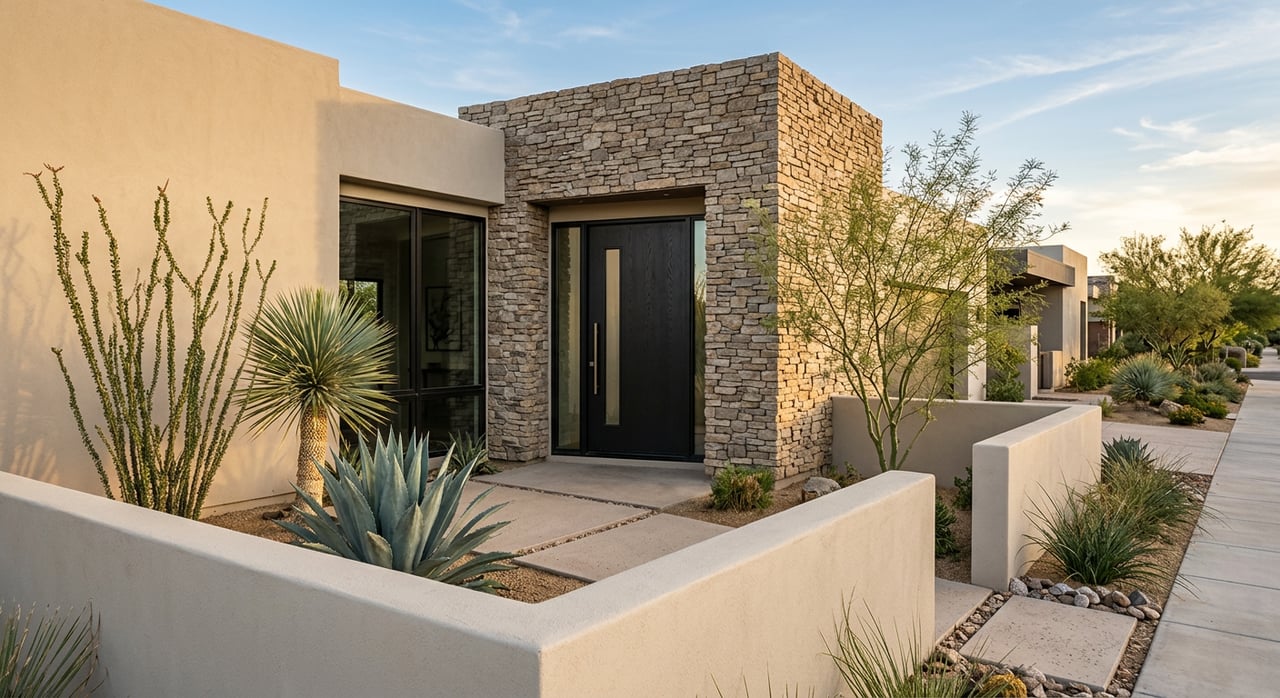
East Valley: A higher share of single-family homes in master-planned communities, plus newer tract homes and townhome options near job centers. You can find everything from efficient entry-level homes to golf-course and gated communities. Lot sizes and attached garages are common, and many neighborhoods include parks and community amenities.
Walkability, amenities, and vibe
Central Phoenix energy
If you enjoy stepping out to restaurants, arts, and events, Central Phoenix offers dense clusters of activity with a city vibe. Roosevelt Row and nearby corridors concentrate galleries, indie dining, nightlife, and cultural venues. Light rail access and mixed-use blocks make quick errands and nights out convenient. Expect more apartment and condo living and smaller lots compared to the suburbs.
East Valley downtown pockets
The East Valley is more spread out, but you’ll find walkable cores in select areas:
- Chandler’s downtown has a compact street grid with dining and events. Walk Score highlights stronger walkability in the core than in surrounding suburban neighborhoods. Check current walkability signals on Walk Score’s Chandler page.
- Gilbert’s Heritage District blends restaurants, markets, and community events with a small-city downtown feel. See how central blocks compare with outlying areas on Walk Score’s Gilbert page.
Much of the East Valley is built for driving, with shopping centers and parks distributed across neighborhoods. If you want a balance, downtown Tempe near ASU provides one of the metro’s strongest walkable, transit-connected environments outside Central Phoenix.
Schools and safety: how to research well
Schools
Many East Valley buyers ask about school programs and district resources while planning a move. Large districts such as Chandler Unified School District publish boundary maps, program lists, and performance data. For the most accurate and current information, start with the district’s official pages and the state’s report cards. Explore district resources at the Chandler Unified School District website.
Tip: Because boundaries and programs can change over time, verify school assignments for a specific address during your home search.
Safety
Citywide crime figures can differ between Phoenix and East Valley suburbs, and crime patterns vary by neighborhood. Instead of relying on broad averages, review local data at the block or ZIP level and compare the same time windows. You can explore Phoenix trends through FBI-derived dashboards like Crime Explorer’s Phoenix page and consult local police resources for area-specific context.
Which one fits your day-to-day?
Use this quick lens to choose where to focus your search:
- Choose Central Phoenix if you want urban energy, arts and dining close by, and shorter in-town drives to downtown employers. You’ll likely trade lot size for proximity and transit access.
- Choose the East Valley if you prefer single-family living with more recent construction, community parks, and a suburban layout. Commutes to East Valley job centers can be straightforward, though many errands still involve short drives.
Either way, prioritize the patterns that will matter most to you week after week: your commute path, whether you want to walk to dinner, and the style of home that feels right.
How to get started
- List your top three daily priorities: commute, space, and lifestyle amenities.
- Test your routes during peak hours in both directions.
- Tour a few dayparts in each area. Walk a downtown block and also drive a neighborhood loop.
- Compare current, neighborhood-level housing data against your budget and timeline.
If you want a local, side-by-side look at specific neighborhoods and price points, reach out. With deep East Valley experience and full Phoenix-metro coverage, Michael E Bullis can help you match your budget and lifestyle to the right pocket and negotiate with confidence.
FAQs
How do commute times compare between East Valley and Central Phoenix?
- City averages are similar, ranging from about 20.9 minutes in Tempe to roughly 25–26 minutes in Phoenix and Gilbert, but your direction and route matter most. See U.S. Census city pages for details: Phoenix, Tempe.
What freeways shape daily driving between these areas?
- I-10, US-60, Loop 101, and Loop 202 are the main corridors; the I-10 Broadway Curve upgrades in the Tempe–Phoenix section were designed to improve capacity and reliability. Learn more on ADOT’s Broadway Curve page.
Where can I live car-lite outside Central Phoenix?
- Downtown Tempe near ASU offers the strongest non-Phoenix option thanks to the Tempe Streetcar and light-rail connections; see the FTA’s Tempe Streetcar overview.
Are homes cheaper in the East Valley than in Phoenix?
- Not across the board. City-level owner-occupied medians vary widely by city and neighborhood. Compare U.S. Census medians for Phoenix, Chandler, and Gilbert as a baseline and use current MLS data for live pricing.
Which East Valley areas have walkable cores?
- Downtown Chandler and Gilbert’s Heritage District both show higher walkability than surrounding suburban areas. Check current scores for Chandler and Gilbert.
How should I compare safety between neighborhoods?
- Look at per-capita data and consistent time frames, then review local dashboards. Start with FBI-derived summaries like Crime Explorer’s Phoenix page and supplement with city resources for neighborhood context.