Wondering what a home’s style really tells you in Paradise Valley? In this market, architecture is not just about curb appeal. It can affect how a home lives, what maintenance you may face, and how easy it may be to remodel later. If you are comparing properties here, understanding the most common home styles can help you make a smarter decision. Let’s dive in.
Why home style matters in Paradise Valley
Paradise Valley is shaped by large lots, low-density planning, and a strong focus on preserving its semi-rural character. According to the town’s Residents Guide, most of Paradise Valley is zoned R-43, which generally requires one-acre lots and one home per lot.
That matters because buyers here are often evaluating more than finishes and floor plans. You are also looking at site layout, massing, privacy, and the potential for future changes. The same guide notes that building and zoning practices can be more restrictive than in other nearby communities, especially for major remodeling and hillside work.
If a home sits on a hillside, review can be even more involved. The town explains that the Hillside Building Committee reviews items such as grading, drainage, lighting, building materials, additions, pools, and accessory structures.
Santa Fe and Pueblo Revival homes
What the style usually looks like
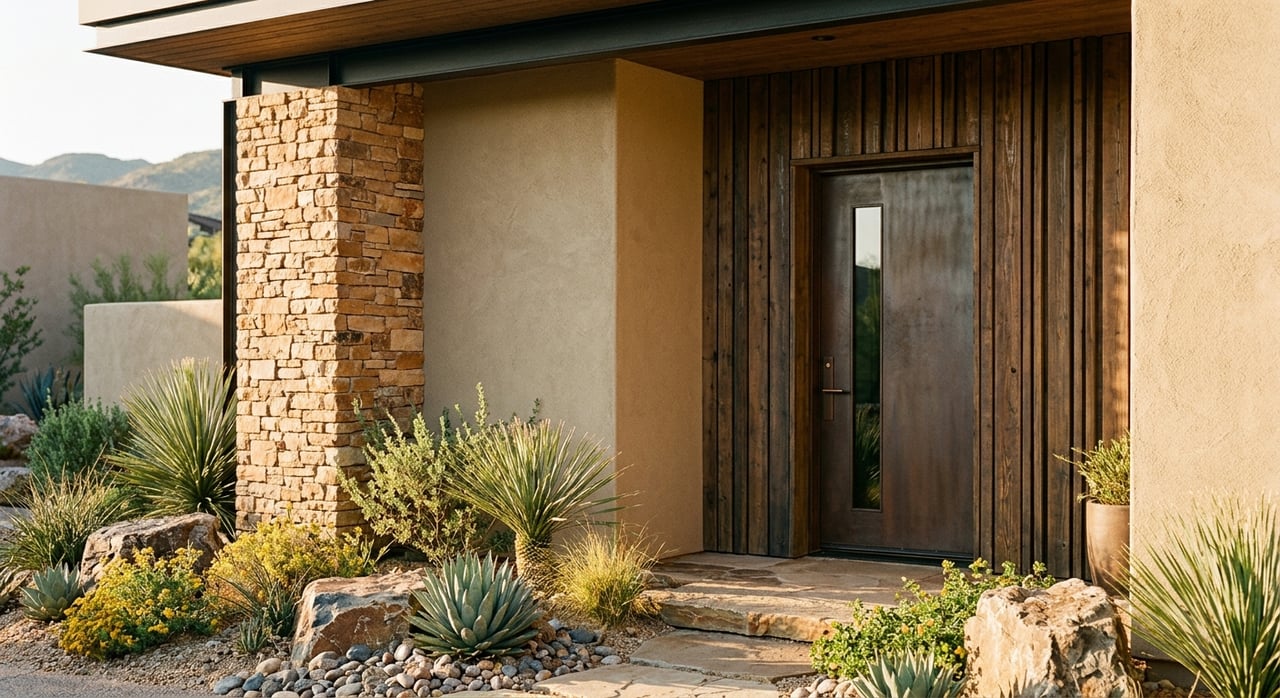
Santa Fe and Pueblo Revival homes stand out for their sculptural, desert-friendly look. The National Park Service describes Pueblo Revival architecture as featuring flat roofs, parapeted walls, stucco finishes, rounded forms, and exposed vigas.
In practical terms, this style often feels grounded and substantial from the street. Instead of relying on large expanses of glass, these homes often make more of a visual statement through texture, wall shape, and roofline.
What it may mean for daily living
If you like warmth, character, and a strong Southwest identity, this style can be very appealing. These homes often feel intimate and architectural rather than sleek or minimal.
At the same time, the defining materials are part of the ownership experience. Stucco, parapets, and exposed wood details are not just decorative features. They help create the home’s identity, so visible wear or repairs may stand out more than they would on a simpler exterior.
What buyers should watch closely
Roof form is a major clue with this style. Because flat roofs are common, you will want to pay close attention to drainage paths, roof condition, and exterior finish wear. Flat roofs are historically common in arid climates, but as Britannica notes in its overview of roof forms, roof design still matters for how water is managed.
If you are thinking about updating a Santa Fe home, keep the exterior character in mind. Additions or major exterior changes may need to work carefully with the existing roofline and materials. On hillside parcels, that process may involve additional town review.
Contemporary homes
What defines a contemporary home
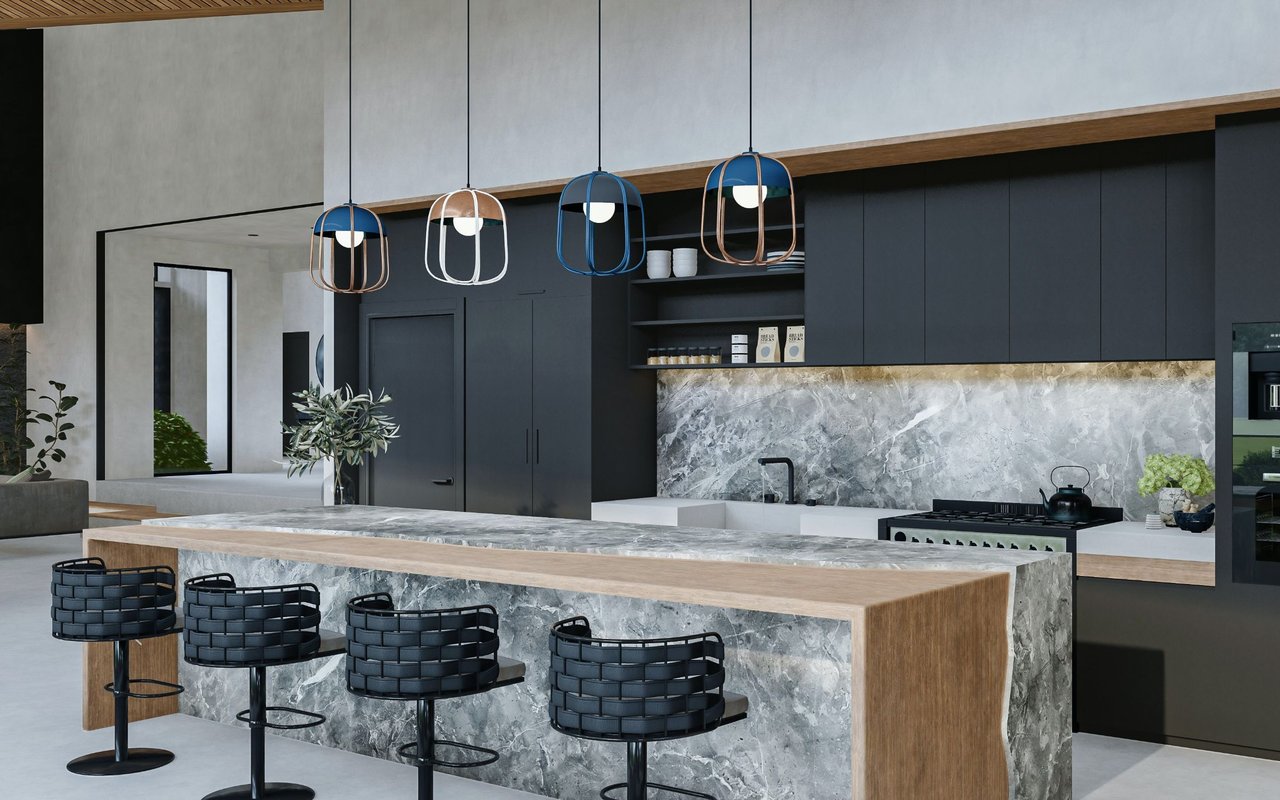
Contemporary homes in Paradise Valley often emphasize openness, light, and a strong indoor-outdoor connection. National Park Service materials on Contemporary housing describe features such as open floor plans, large windows, sliding glass doors, minimal facade detail, and rooflines that respond to the site.
In Paradise Valley, that can translate into dramatic view corridors, cleaner lines, and a more modern feel. These homes often make the lot itself part of the experience, especially when the design opens toward patios, courtyards, or mountain views.
What buyers tend to love
For many buyers, the appeal is easy to understand. Open living spaces can feel flexible, and large glass openings can bring in natural light and strengthen the connection between interior spaces and the desert setting.
This style can also feel move-in friendly from a layout standpoint. Because the plan is often already open, buyers may not need the same level of interior reconfiguration they might expect in an older, more segmented home.
What to think about before buying
Glass changes how a home feels day to day. Large windows and sliding doors can be a huge plus for views and openness, but they can also make shade, privacy, and cooling strategy more important in Arizona.
Exterior changes also tend to be more visible on contemporary homes. If you want to alter window walls, roof edges, or exterior materials, those changes can quickly affect the home’s overall character.
Ranch homes
Why ranch homes remain popular
Ranch homes are one of the most practical styles buyers will see. Britannica describes the ranch house as a typically single-story home with a low roof and open rectangular plan, while the National Park Service notes that many 1950s ranch interiors used zoned public and private spaces, picture windows, and sliding doors connecting to patios or courtyards.
In Paradise Valley, ranch homes often appeal to buyers who want single-level living, broad horizontal lines, and a layout that feels straightforward. They can be especially attractive if you want ease of movement and a strong connection to outdoor living areas.
What they can signal for buyers
A ranch home often suggests livability first. The style is usually less about dramatic architectural gestures and more about comfort, flow, and usable space.
That can make ranch properties easier to imagine yourself in right away. You may find the transition between living areas, bedrooms, patios, and yards feels natural and practical.
Why they are often remodel candidates
Ranch homes are popular update projects for a reason. The National Park Service explains that many ranch houses were individualized and altered over time, which helps explain why buyers still see them as flexible foundations for renovation.
In Paradise Valley, the simple horizontal form can make additions easier to visualize. Still, that does not mean every plan will work. Future changes still need to fit town rules related to setbacks, lot coverage, and the home’s overall proportions.
What to inspect carefully
With ranch homes, long rooflines and large windows deserve extra attention. Broad eaves and extensive glazing are part of the appeal, but they also make roof and window condition important parts of your due diligence.
Custom estates
What makes custom estates different
Custom estates are a major part of the Paradise Valley identity because the town’s large-lot framework naturally supports site-specific homes instead of uniform subdivision product. The town’s R-43 single-family residential standards also allow certain accessory uses such as guesthouses and residential staff quarters.
That means buyers may find a much wider range of layouts, roof types, outdoor features, and supporting structures. A custom estate can offer more flexibility, but it also asks more of you as a buyer.
What buyers should understand
With a custom estate, style alone does not tell the whole story. Maintenance depends more on site conditions, roof design, landscaping, hillside factors, and the number of systems on the property than on a single architectural label.
These homes can be ideal if you want a highly tailored property or see long-term renovation potential. But because each property is unique, due diligence becomes even more important than usual.
Why due diligence matters most here
The town notes in its Residents Guide that construction-related work requires permits, and on hillside properties even items like painting, roofing, landscaping, lot disturbance, walls, and outdoor lighting may need approval. That is a big reason custom estate buyers should think beyond aesthetics and ask what has been done, what was approved, and what may be possible later.
The biggest clues buyers should notice
Roof shape
Roof form can tell you a lot about both style and maintenance. Santa Fe and many contemporary homes often use flat roofs, while ranch homes more often have low-pitched roof forms.
That does not make one better than another. It simply means your inspection priorities may differ, especially around drainage, roof condition, and long-term upkeep.
Glass and openness
Large windows and sliding doors are common in contemporary and ranch homes. They can create great light and strong indoor-outdoor flow, but they also affect privacy, shade needs, and cooling strategy.
When touring a home, do not just admire the glass. Think about how those openings will feel during daily life.
Exterior materials
Stucco, parapets, exposed beams, and minimal exterior detailing all carry meaning. They shape the home’s visual identity, and repairs or updates may be more noticeable because of that.
In a place like Paradise Valley, exterior design is often part of the property’s long-term value story. Buyers should think about how easy it will be to maintain that look over time.
Remodel path
A beautiful house is one thing. A house you can adapt to your future needs is another.
Because Paradise Valley has a more involved zoning and permit environment than many buyers expect, it is smart to evaluate not just what the home is today, but what it can realistically become.
Smart questions to ask during a tour
If you are comparing home styles in Paradise Valley, these questions can help you look past surface finishes and understand the property more clearly:
- Is the home original, partially renovated, or substantially rebuilt?
- Is the property on flatland or on a hillside?
- What exterior changes would require town approval?
- Has the roof been replaced, and what roof system is in place?
- Could the lot accommodate an addition or accessory structure without overwhelming the house?
Those questions are especially useful in a market where lot size, massing, and permit rules can shape your options just as much as the floor plan itself.
How to use style in your buying decision
The best home style for you depends on what you value most. If you want strong Southwest character, Santa Fe or Pueblo Revival may stand out. If you care most about openness and a modern indoor-outdoor feel, contemporary design may be the better fit.
If single-level living and remodel flexibility matter most, a ranch home may offer a strong balance. And if you want maximum individuality and potential, a custom estate may be worth the extra due diligence.
The key is to look at style as a practical signal, not just an aesthetic one. In Paradise Valley, architecture can influence maintenance, approvals, and future flexibility in real ways.
If you want help comparing Paradise Valley homes and understanding what each property may mean for your short- and long-term goals, connect with Michael E Bullis. You will get clear guidance, responsive support, and a practical perspective as you narrow down the right fit.
FAQs
What does home style mean for Paradise Valley buyers?
- Home style can affect how a property lives, what maintenance you may face, and how easy it may be to remodel under Paradise Valley’s zoning and permit rules.
What should buyers know about Santa Fe homes in Paradise Valley?
- Santa Fe and Pueblo Revival homes often feature flat roofs, stucco, parapets, and exposed wood details, so buyers should pay close attention to roof drainage, exterior wear, and how updates may affect the home’s character.
What should buyers know about contemporary homes in Paradise Valley?
- Contemporary homes often offer open layouts, large windows, and strong indoor-outdoor flow, but buyers should also think about shade, privacy, cooling strategy, and how visible future exterior changes may be.
Why are ranch homes popular in Paradise Valley?
- Ranch homes are often popular because they usually offer single-level living, practical layouts, and renovation potential, especially for buyers who want straightforward indoor-outdoor flow.
What makes custom estates different in Paradise Valley?
- Custom estates are often more site-specific and flexible, but they usually require more due diligence because maintenance, systems, and future changes can vary widely from one property to the next.
Do remodels need approval in Paradise Valley?
- Yes. The town’s Residents Guide says construction-related activities require permits, and hillside properties may need approval for a wide range of changes including roofing, lighting, landscaping, walls, and lot disturbance.
What questions should buyers ask when touring a Paradise Valley home?
- Buyers should ask whether the home is original or renovated, whether it is on flatland or hillside, what approvals may be needed for changes, what kind of roof system it has, and whether the lot could support future additions or accessory structures.