If you are looking at Phoenix single-family rentals, the big wins usually come from discipline, not hype. This market still offers opportunity, but softer rents, wider concessions, and neighborhood-by-neighborhood differences mean you need to watch the right signals before you buy or decide to hold. In this guide, you will see what smart investors focus on in Phoenix, from rent comps and vacancy to heat-related maintenance and exit strategy. Let’s dive in.
Start With Phoenix Market Reality
Phoenix is not a one-metric rental market right now. According to Zillow’s Phoenix market data, the average home value is $407,665, down 3.2% year over year, while average rent was $1,556 as of February 2026, down 1.5% year over year.
At the same time, Redfin’s Phoenix housing market page shows a February 2026 median sale price of $462,250, homes taking about 62 days to sell, and average sale prices coming in about 2% below list. That combination matters because it points to a market where you may have more room to negotiate on purchase price, but you should stay conservative on rent growth.
For investors, that means Phoenix is less about betting on fast appreciation or quick rent spikes. It is more about buying the right house in the right submarket at numbers that still work if rent growth stays modest.
Watch Rent-to-Price, But Do Not Stop There
A quick screen can help you narrow deals, but it should never be your full underwriting model. Using Phoenix’s current citywide average rent and home value from Zillow implies a rough gross yield of about 4.6%, while using Zillow’s January 2025 single-family rent benchmark points closer to 6.6% gross.
Those numbers can be useful at the top of the funnel, but they leave out the expenses that often decide whether a rental performs. Property taxes, insurance, vacancy, repairs, management, HOA costs, landscaping, and turnover can quickly change the picture.
Single-family rents also deserve their own comp set. In Zillow’s single-family rent analysis, Phoenix single-family rentals were priced at $2,254 versus $1,539 for multifamily, a 46% premium. If you comp a detached house against apartments, you may understate rent potential, but if you ignore today’s softer leasing environment, you can still overestimate income.
What a smart quick screen includes
Before you go deeper on a property, check these basics:
- Detached single-family rent comps, not apartment comps
- Current asking-rent direction, not last year’s peak rents
- Likely concessions or lease-up incentives
- Days on market for resale if you need an exit
- Major operating costs tied to the property itself
Focus on Submarkets, Not City Averages
One of the biggest mistakes investors make in Phoenix is treating the whole city like one rental market. It is not. Zillow’s Phoenix neighborhood value examples show meaningful spread, including Alhambra at $342,458, North Mountain at $369,743, and Bird of Paradise Neighbors at $463,716.
That kind of price variation changes your rent-to-price math, your tenant pool, and your resale options. A citywide average can hide whether a specific area gives you better cash flow, lower vacancy risk, or a stronger long-term hold profile.
Phoenix data also shows that vacancy is not evenly distributed. The City of Phoenix Consolidated Plan notes a 4.1% rental vacancy rate citywide based on 2019-2023 ACS data, but it also points out that some downtown and northeastern tracts have vacancy above 10%, and some even above 20%.
Why tract-level analysis matters
When vacancy, pricing, and supply vary this much, the best-performing rental is often a location decision before it is a renovation decision. You want to know how a property sits within its immediate area, not just how Phoenix looks on a headline chart.
This is where local guidance becomes practical. A property with similar square footage and list price can perform very differently based on nearby supply, HOA restrictions, pool burden, or how quickly it would resell if your plan changes.
Track Demand Through Household Growth
Demand in Phoenix is not just a population story. It is also a household formation story, and that matters for rentals. The City of Phoenix Housing Needs Assessment says the city’s population grew 10.3% since 2013, while households increased 16.2%.
That gap is important because more households create more housing churn, even when population growth slows. If more people are forming separate households, demand can stay active across both ownership and rental segments.
The scale of the market also supports long-term relevance. Census QuickFacts lists Phoenix at 1,673,164 residents and 610,442 households, while Maricopa County had 4,689,558 residents and 1,730,696 households.
For investors, that means the opportunity set is large, but so is the need to choose carefully. Broad demand can support rentals, yet individual property performance still depends on price point, condition, and submarket competition.
Underwrite for Softer Rents and Concessions
Phoenix rental conditions have eased, and smart investors are adjusting. Zillow’s Phoenix market page shows average rent down 1.5% year over year as of February 2026, and Zillow’s December 2025 rental reporting noted that 58.3% of rental listings in Phoenix were offering a concession.
That does not mean every rental is struggling. It does mean you should avoid overly optimistic lease-up assumptions. A deal that only works at full asking rent with no downtime and no concession is a deal that may not be stress-tested enough for today’s market.
Zillow’s 2026 outlooks also suggest only low-single-digit single-family rent growth by year-end. If you build your numbers around flat to modest rent growth instead of aggressive increases, you will usually get a clearer picture of downside risk.
Conservative assumptions to use
When you model a Phoenix single-family rental, consider:
- A slower lease-up than in a peak landlord market
- Possible concessions to secure a qualified tenant
- Flat to low-single-digit rent growth
- A vacancy reserve, even in tighter pockets
- Turnover costs that reflect current market competition
Budget for Phoenix-Specific Operating Costs
In Phoenix, operating costs can make or break a rental faster than many first-pass spreadsheets suggest. Heat, water, landscaping, pools, and storm prep are not side issues here. They are part of the core math.
The City of Phoenix heat-safety guidance says landlords must maintain cooling to a maximum of 82°F in air-conditioned units or 86°F in evaporative-cooled units. If cooling fails in summer, you are not dealing with a minor comfort issue. You are dealing with a serious maintenance and compliance concern.
Water use also deserves close attention. The City’s outdoor water guidance says up to 70% of residential water use is outdoors, and aging irrigation systems can hide leaks and drive up costs.
Pools are another common line item. The same City resource notes that 30% of single-family homes in Phoenix have pools, and pool maintenance can become a budget drain if you do not price it correctly from the start.
Property features that deserve extra scrutiny
Pay close attention to these items during your review:
- HVAC age, efficiency, and service history
- Irrigation systems and signs of leaks
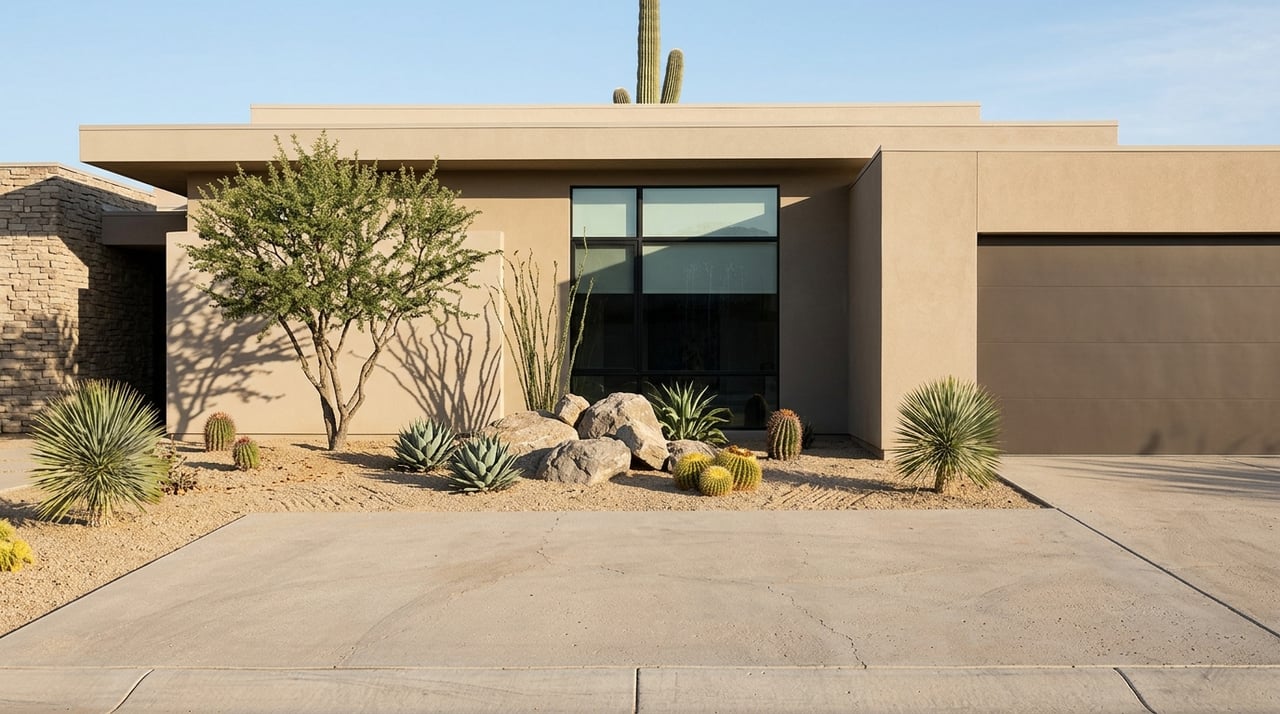
- Desert landscaping maintenance needs
- Pool equipment, service schedule, and water costs
- Roof drainage and grading before monsoon season
Respect Monsoon and Age-Related Risk
Phoenix investors also need to think seasonally. The City’s monsoon resources say monsoon season runs from June 15 to September 30, and recommended prep includes cleaning roof drains or scuppers, clearing drywells, trimming vegetation, and making sure water drains away from the structure.
That is especially important when you buy older homes. The City of Phoenix Consolidated Plan says 42.3% of housing structures were built before 1980. Older stock can offer strong opportunity, but it can also mean larger reserves for HVAC, roofing, plumbing, electrical work, and general rehab.
A property that looks attractive on rent alone may become far less attractive if major systems are near the end of their useful life. In this market, disciplined investors do not just ask, “What will it rent for?” They also ask, “What will it cost to keep this home competitive and functional in Phoenix?”
Compare Hold Versus Sell Carefully
This topic matters for both active investors and accidental landlords. If your home did not sell at the number you wanted, or if you are relocating and considering a rental hold, the decision should be based on current market liquidity and rental reality, not guesswork.
Redfin’s Phoenix market page shows homes taking around 62 days to sell and receiving about one offer on average. Zillow’s Phoenix data also shows a median sale-to-list ratio of 0.984 and 64.1% of sales closing under list price.
That suggests buyers may have room to negotiate, and sellers may need patience. It also means some owners will compare a slower sale with the option to lease instead. Zillow reported that 2.3% of homes listed for rent last fall had recently been pulled off the for-sale market, near a six-year high, in its report on shifting from seller to landlord.
If you are weighing those choices, the right answer depends on your home’s likely rent, condition, carrying costs, and how its submarket is performing today.
What Smart Investors Really Watch
The headline takeaway in Phoenix is simple. Smart investors do not chase broad market narratives. They watch the numbers and the property details that actually drive return.
That usually means:
- Buying based on neighborhood-level rent and vacancy, not city averages alone
- Using detached-home rent comps for detached homes
- Stress-testing for weaker rent growth and concessions
- Budgeting honestly for heat, water, pools, and monsoon prep
- Reserving more for older housing stock
- Keeping one eye on resale liquidity in case the exit plan changes
If you are buying, selling, or deciding whether to keep a Phoenix-area home as a rental, local insight can save you from expensive assumptions. For tailored guidance on Phoenix metro opportunities and hold-versus-sell decisions, connect with Michael E Bullis.
FAQs
What should you watch first in the Phoenix single-family rental market?
- Start with detached-home rent comps, neighborhood-level pricing, and a realistic expense budget. In Phoenix, operating costs and submarket differences can matter just as much as the headline rent number.
How strong are Phoenix rents for single-family rentals right now?
- Phoenix rents have softened overall, with Zillow showing average rent down 1.5% year over year as of February 2026. Single-family homes still tend to command a premium over multifamily units, but investors should underwrite conservatively.
How important is vacancy when buying a Phoenix rental property?
- Vacancy is very important because it varies sharply by area. City data shows a 4.1% rental vacancy rate overall, but some tracts have much higher vacancy, which can affect lease-up time and pricing power.
What Phoenix operating costs often surprise rental property owners?
- HVAC, irrigation, landscaping, pools, and monsoon-related maintenance are common surprise costs. These items are especially important in Phoenix because of extreme heat, outdoor water use, and seasonal storms.
Should you sell or hold a Phoenix home as a rental in today’s market?
- That depends on your likely rent, carrying costs, property condition, and resale options. With homes often selling below list and taking longer to move, a side-by-side hold-versus-sell analysis is usually the smart next step.